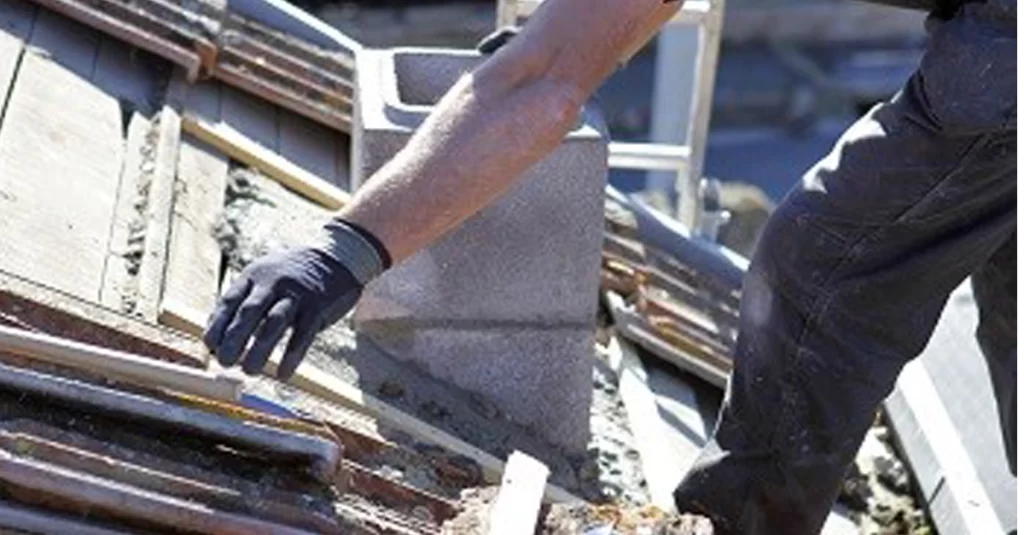
Since 1946, Stevens Roofing has helped homeowners in Eastern Virginia protect one of the most valuable parts of their home: the roof. As a family-owned company now in its third generation, we have spent decades learning what it takes for a slate roof to last for generations more. While slate is one of the most long-lasting roofing materials available, it still requires attention over time. A slate roof maintenance plan is the best way to catch small issues early. It protects your investment and avoids costly surprises down the road.
If you own a home with a slate roof, understanding what a maintenance plan should include can help you make a smart decision about who to trust with your roof’s upkeep. Slate is naturally resistant to fire, rot, and pests, but individual tiles can still crack, slip, or loosen over time due to age, foot traffic, or exposure to storms. Without regular attention, a single loose tile can lead to a slow leak that goes unnoticed for months. Below, we break down what these plans typically cover, how often maintenance should happen, and what to ask before you sign up with a specialist, so you can protect both the roof and the home underneath it.
What’s Typically Included in a Slate Roof Maintenance Plan?
A solid slate roof maintenance plan covers more than a quick glance from the ground. It should include a hands-on inspection of the tiles, flashing, and fasteners, clearing debris, and checking for signs of moisture damage. Since clogged gutters can force water to back up beneath slate tiles and rot the roof deck or fascia boards, many maintenance plans include a gutter check as well. Homeowners benefit from a written report after each visit, since it gives them a record of their roof’s condition over time, useful when filing an insurance claim or preparing to sell the home. Below are the core components a quality plan covers, from the initial inspection to the small repairs that keep the roof performing well between visits.
Roof Inspection
A trained roof inspection contractor will examine each slate tile for cracks, slipping, or delamination, often walking the roofline and checking access points, such as attic spaces, from the inside as well. They will also check flashing around chimneys, vents, and valleys, since these areas are common sources of leaks on older roofs. Fasteners and underlayment are checked too, since a slipped tile is sometimes a sign of a failed nail rather than a problem with the slate itself.
Cleaning and Debris Removal
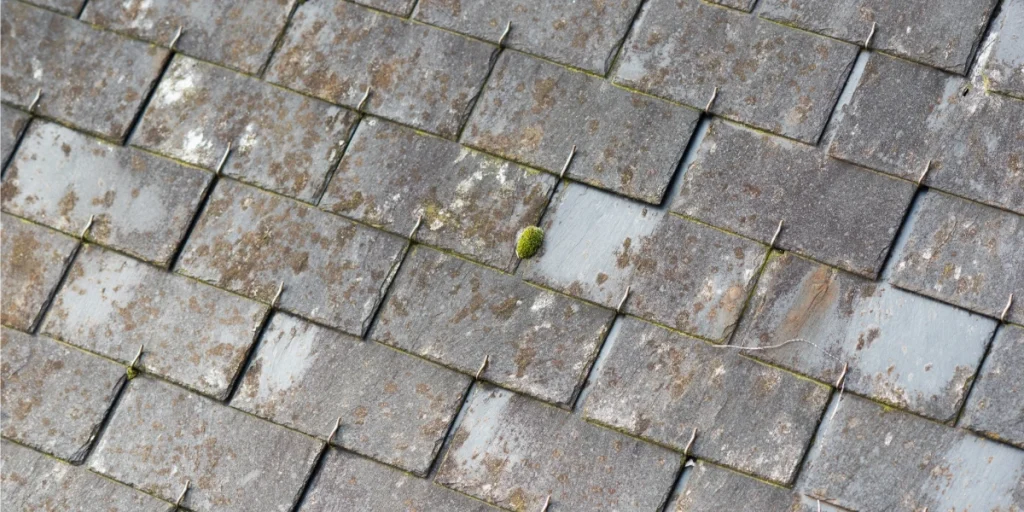
Moss, leaves, and organic buildup trap moisture against slate tiles, which speeds up wear and can cause staining over time. A maintenance visit typically includes gentle cleaning to remove this buildup without damaging the surface of the tiles underneath, since aggressive cleaning methods can actually shorten the life of slate rather than protect it. Before-and-after photos from a cleaning visit often show a noticeable difference in the roof’s appearance.
Minor Repairs and Adjustments
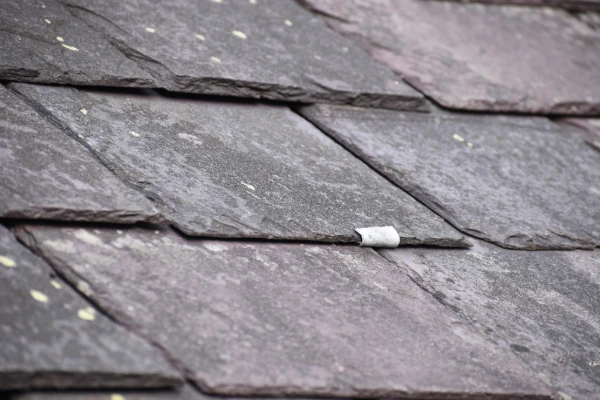
Small fixes, like resetting a loose tile, replacing a single cracked tile, or resealing a flashing joint, are often handled during a routine visit. Addressing these details early keeps minor issues from turning into larger repair projects later on, and it typically costs far less than waiting until a leak develops inside the home.
How Often Should a Slate Roof Be Professionally Maintained?
Most slate roofs benefit from an annual professional inspection and maintenance visit. Homes with older roofs or heavy tree coverage may need visits twice a year. Regular residential roof maintenance allows a specialist to catch cracked tiles, shifting flashing, or early signs of leaks before they cause interior damage. Slate is known for its long lifespan, with many roofs lasting well over a century when properly cared for. That longevity, however, depends on consistent upkeep rather than a one-time fix.
Homeowners who schedule maintenance on a set annual cycle tend to spend less over time on emergency repairs, since small problems are addressed while they are still simple and affordable to fix. Timing matters as well. Many homeowners schedule their annual visit in the spring or fall, after storm season has passed but before winter moisture sets in, though a professional roofer can help determine the best schedule for a specific home and roof age.
Maintenance Visit vs. Repair Visit: What’s the Difference?
It’s easy to confuse a maintenance visit with a repair visit, but the two serve different purposes. A maintenance visit is proactive. The goal is to inspect, clean, and make small adjustments that keep the roof performing well before any major issue develops. A repair visit, on the other hand, is reactive. It happens after a specific problem has already appeared, such as a leak, a section of missing tiles, or visible water damage inside the home.

Why the Distinction Matters
Understanding this difference helps homeowners set the right expectations. A maintenance plan won’t replace a full roof repair if significant damage has already occurred, but it plays a major role in preventing that damage from happening in the first place. For example, a maintenance visit might catch a single cracked tile and replace it on the spot, while a repair visit might involve addressing water damage that has already spread to the attic or ceiling below. Scheduling routine visits, rather than waiting for a problem to surface, is one of the simplest ways to protect a slate roof’s long-term condition and value.
Can a Maintenance Plan Reduce the Need for Future Slate Roof Repairs?
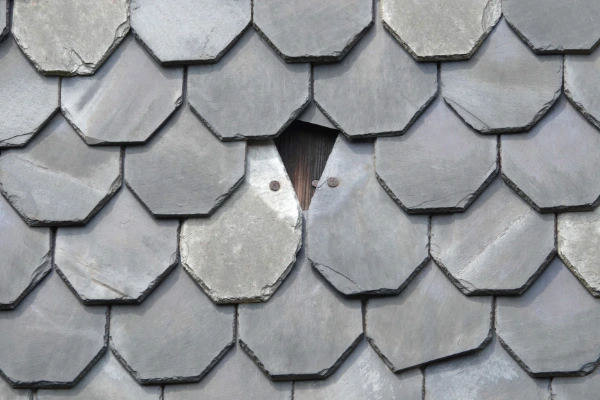
Yes. One of the biggest benefits of a maintenance plan is that it directly reduces the likelihood of major slate roof repair down the road. Slate tiles can crack or slip due to age, foot traffic, or storm damage, and once a tile is compromised, water can seep beneath it and damage the roof deck. Catching a cracked or missing tile during a routine visit means it can be replaced quickly, before moisture becomes a bigger problem. Professional roof maintenance also keeps flashing and fasteners in good condition, which are often the actual source of leaks rather than the slate tiles themselves. Over time, this proactive approach can meaningfully extend the roof’s lifespan and reduce the frequency of larger, more expensive repair calls.
Questions to Ask a Specialist Before Signing Up for a Maintenance Plan
Choosing the right company for slate roof maintenance is an important decision, since not every roofing contractor has hands-on experience with this specialized material. Before signing up for a plan, ask a few key questions to understand exactly what you’re getting.
How Experienced Is Your Team With Slate Specifically?
Slate requires different handling than asphalt shingles or metal roofing. Ask how much hands-on experience the team has working with slate tiles, flashing details, and older roofing systems.
What Does Each Visit Include?
Request a clear list of what’s covered during a standard maintenance visit, including inspection points, cleaning steps, and whether minor repairs are included in the plan or billed separately.
Will I Receive a Report After Each Visit?
A written report with photos gives you a record of your roof’s condition over time, which is especially helpful for older or historic homes where documentation matters.
What Happens If a Repair Is Needed?
Ask how the company handles repairs that come up during a maintenance visit. Some plans include minor fixes at no extra cost, while others provide a separate quote before any additional work begins. Having this information ahead of time helps you avoid unexpected charges.
Can a Maintenance Plan Help Preserve a Historic Slate Roof Specifically?
Historic homes often have slate roofs that are decades, or even a century, old, and preserving these roofs takes a different approach than working on newer construction. A maintenance plan built around historic roof leak repair and preservation focuses on protecting the original materials whenever possible, rather than defaulting to full roof replacement. This might mean sourcing matching slate for repairs, using techniques that align with the building’s age, or working carefully around older flashing systems that are no longer commonly used.
Stevens Roofing has decades of hands-on experience with historic roofing materials and techniques, which allows our team to approach these roofs with the care they require. For homeowners who value the character and history of their property, a maintenance plan tailored to historic slate can make a meaningful difference in preserving both the roof and the home’s original charm.
Do Maintenance Plans Cover Flashing and Gutters, or Just the Tiles?
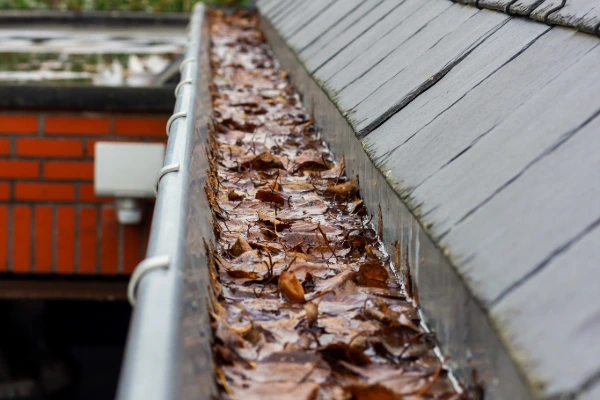
A well-rounded slate roof maintenance plan looks at the entire roofing system, not just the tiles themselves. Flashing, which seals the joints around chimneys, skylights, and valleys, is one of the most common points of failure on any roof, including slate. Gutters also play a bigger role than many homeowners realize, since debris buildup or improper drainage can cause water to pool near the roof’s edge. A thorough maintenance plan typically includes checking the flashing for gaps or rust, confirming that gutters are clear and properly secured, and making sure water is draining away from the home as intended. Treating the roof as one connected system, rather than focusing only on the visible tiles, leads to better long-term results and fewer surprise repairs.
Protecting Your Slate Roof for the Long Term
A slate roof is a long-term investment, and the right maintenance plan helps that investment pay off for decades. Regular inspections, timely minor repairs, and attention to flashing and gutters all work together to extend the roof’s life and protect the home beneath it. Whether you own a historic property or a newer home with a slate roof, a consistent maintenance schedule is one of the most effective ways to avoid larger repair bills down the road.
Stevens Roofing proudly serves homeowners throughout Chesapeake, Newport News, Norfolk, Portsmouth, Richmond, Virginia Beach, Williamsburg, and the Eastern Shore of Virginia. As a family-owned business with three generations of roofing knowledge, our team understands the unique needs of slate roofs, including historic ones, better than most. If you’re ready to protect your slate roof with a maintenance plan built around your home’s specific needs, contact Stevens Roofing today.